TThe COVID-19 pandemic has significantly impacted the freight shipment industry in numerous ways. The implementation of safety measures such as screening, sanitization, and social distancing protocols has led to delays and interruptions in the loading and unloading of cargo, resulting in a decrease in shipping efficiency. Additionally, the pandemic has caused a surge in demand for essential goods, leading to a shortage of shipping containers and higher shipping costs. Travel restrictions and border closures have also affected the movement of cargo across international borders, leading to a decrease in global trade and a shift towards local sourcing. As a result, companies are seeking to diversify their sourcing and shipping options to mitigate the impact of future disruptions, highlighting the importance of resilience in supply chains.
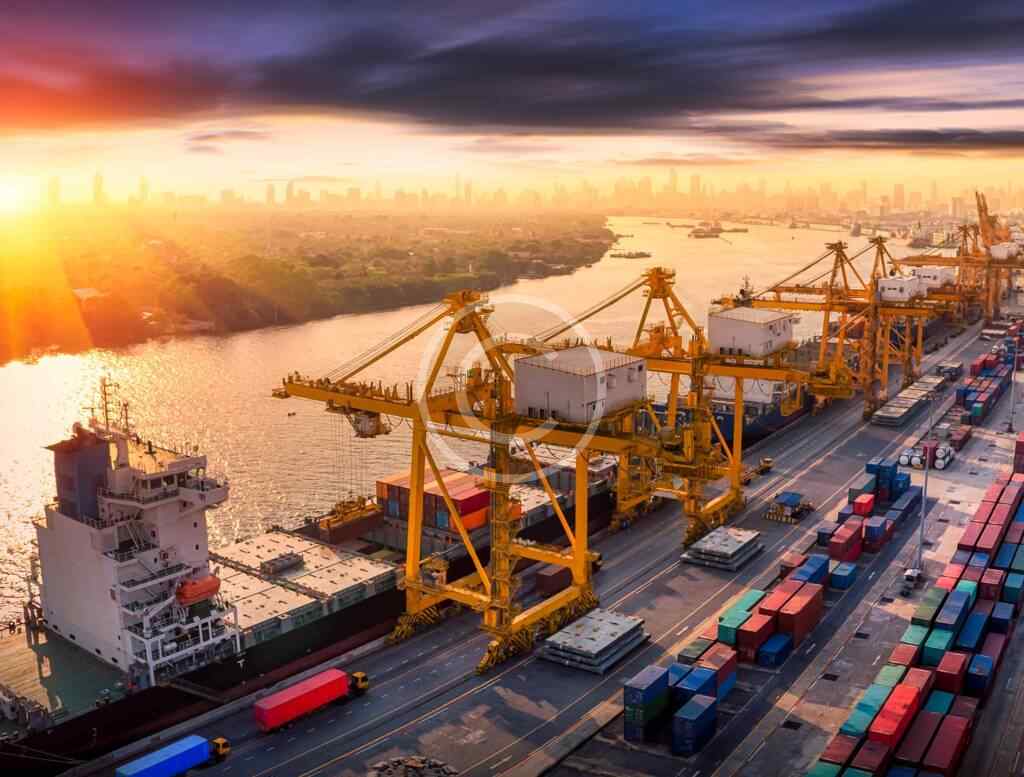
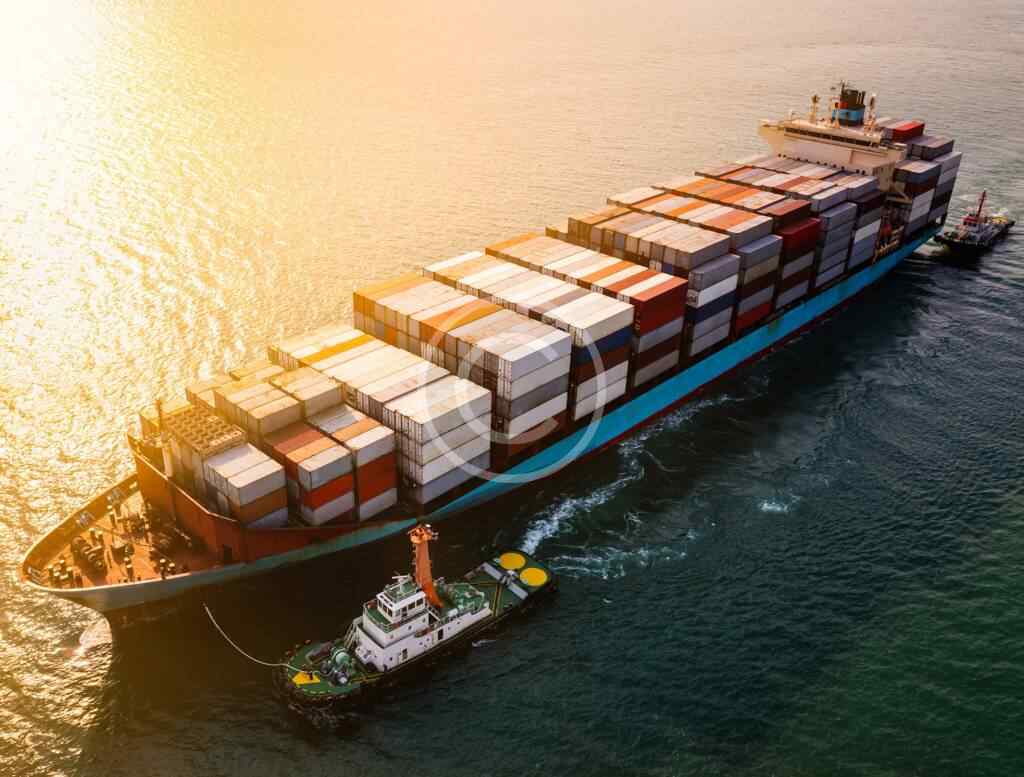
Safety Measures: The COVID-19 pandemic has resulted in the implementation of various safety measures, such as screening, sanitization, and social distancing protocols. These measures have caused significant disruptions in the freight shipment industry, leading to delays and interruptions in the loading and unloading of cargo. The added time required for these measures has affected the efficiency of the shipping process.
Increase in Demand for Essential Goods: The pandemic has caused a surge in demand for essential goods such as medical supplies, food, and household goods. This has resulted in a shortage of shipping containers and higher shipping costs, as more cargo is being shipped than ever before.
Travel Restrictions and Border Closures: The movement of cargo across international borders has been affected by travel restrictions and border closures. This has resulted in a decrease in global trade and a shift towards local sourcing. Companies have been forced to look for alternative shipping options to continue their operations.
Disruption of Supply Chains: The COVID-19 pandemic has disrupted global supply chains, leading to a decrease in the availability of goods. This has resulted in a decrease in the volume of cargo being shipped, as well as an increase in the time required for shipping.
Changes in Consumer Behavior: The pandemic has caused significant changes in consumer behavior, with more people opting for online shopping and home delivery services. This has resulted in an increase in the volume of cargo being shipped, as well as an increase in the need for last-mile delivery services.
Shortage of Shipping Workers: The COVID-19 pandemic has caused a shortage of shipping workers due to the implementation of safety measures and travel restrictions. This has resulted in a decrease in the capacity of shipping companies, as well as an increase in the time required for shipping.
COVID-19 has had a significant impact on the freight shipment industry, disrupting global supply chains and causing delays and interruptions in the delivery of goods. Safety measures, such as screening and sanitization protocols, have caused bottlenecks in the loading and unloading of cargo, affecting shipping efficiency. The pandemic has caused a surge in demand for essential goods, leading to a shortage of shipping containers and higher shipping costs, as well as a shift towards local sourcing due to travel restrictions and border closures.
Economic Impact: The pandemic has had a significant economic impact, leading to a decrease in consumer spending and a decrease in global trade. This has resulted in a decrease in the volume of cargo being shipped and a decrease in the revenue of shipping companies.
-
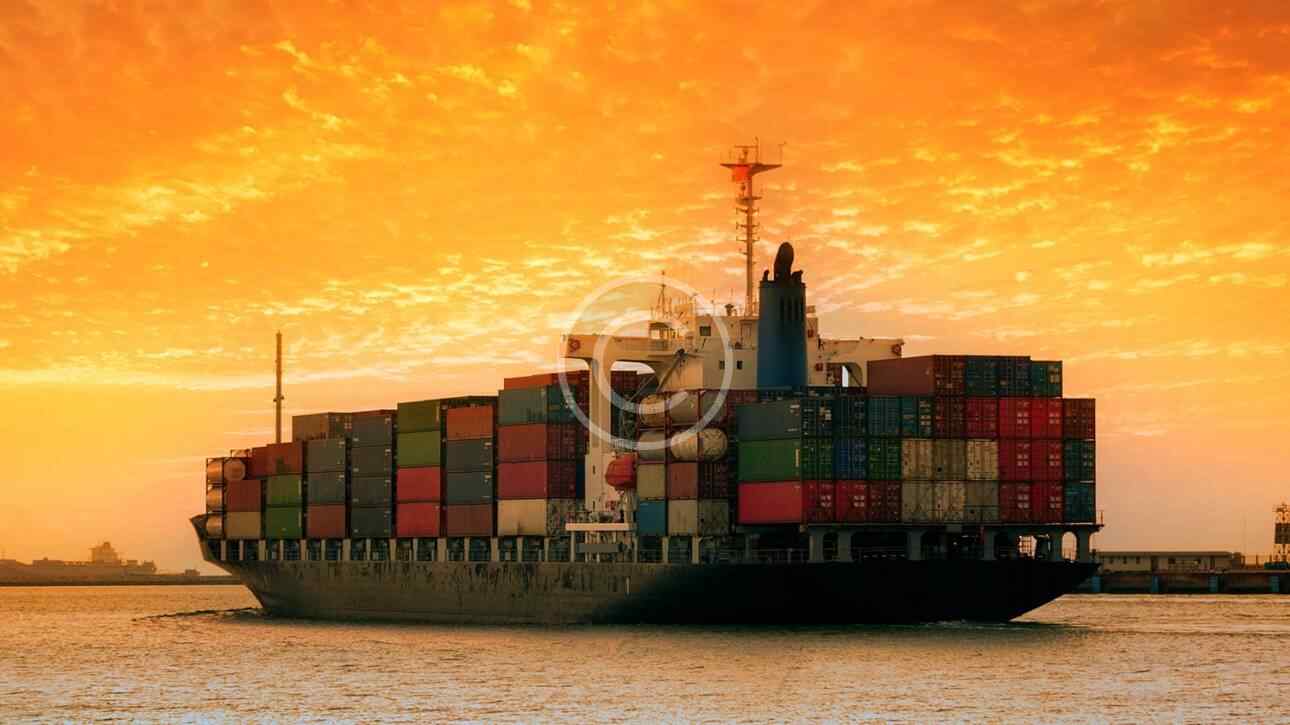
Importance of Resilience in Supply Chains: The COVID-19 pandemic has highlighted the importance of resilience in supply chains. Companies are now seeking to diversify their sourcing and shipping options to mitigate the impact of future disruptions. This includes looking for alternative shipping routes and modes of transportation. Companies are also implementing measures to ensure the safety of their workers and the efficient operation of their supply chains.